Challenge
Queensland Health was progressing three key initiatives - a Power BI dashboard to manage operational workload, a satellite-based algae bloom monitoring application, and broader ArcGIS adoption across teams. Each depended on reliable, well-structured spatial data, yet data quality and consistency varied widely. Staff often lacked confidence in preparing data, leading to delays, rework, and reliance on a small group of specialists. This slowed delivery and increased costs. At the same time, there was pressure to deliver outcomes quickly and within budget, without creating long-term dependency on external support. The challenge was not just technical - it was organisational: how to lift capability at scale, improve data readiness, and ensure these initiatives delivered value on time and on money, while embedding a sustainable, cost-efficient approach to geospatial data management.

Solution
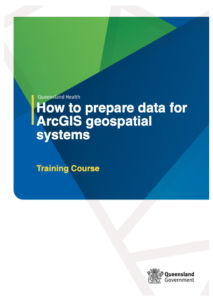
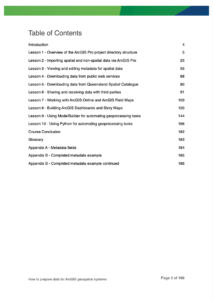
GIS People delivered three tightly aligned outcomes as part of a single engagement. First, a Power BI dashboard transformed a shared mailbox into a structured, real-time workload management tool, improving visibility and prioritisation. Second, a satellite-based algae bloom monitoring application enabled early detection and spatial tracking using earth observation data, supporting proactive environmental response. Third, a tailored training course, “How to prepare data for ArcGIS geospatial systems,” was developed and delivered via the QHealth online learning portal. The training reinforced the other two solutions by standardising how data was prepared and used. By integrating delivery with capability uplift, GIS People ensured all components worked together, reduced duplication, and enabled efficient, on-time and on-budget implementation.
Outcomes
- Improved operational efficiency through a Power BI dashboard that streamlined workload management and reduced manual handling.
- Enhanced environmental monitoring with a satellite-driven algae bloom application, enabling earlier detection and better-informed responses.
- Stronger internal capability with consistent data preparation practices, reducing rework, lowering costs, and supporting scalable use of ArcGIS.